Living on an island comes with many benefits. It also comes with challenges. Hawaiʻi’s isolation brings issues like limited landfill space and an abundance of imported waste, which makes trash disposal a bigger issue than it is on the mainland. Understanding how much trash we generate, and how we can reduce it, helps protect our land and oceans for future generations.
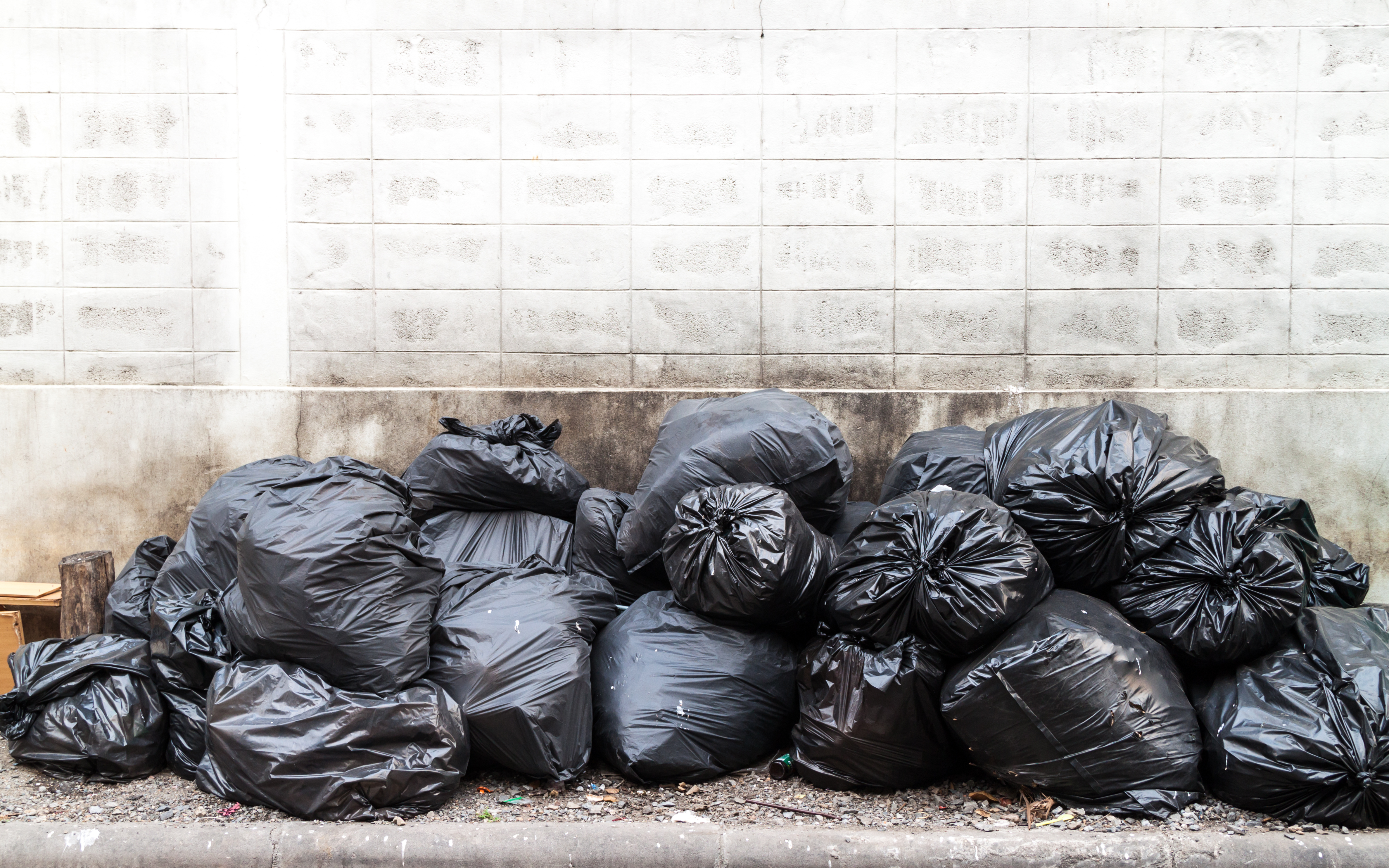
One great way to estimate your household’s monthly or yearly waste production is to use a simple calculation: weight of waste on collection day x collection service frequency (how often your cart is picked up).
You can estimate the weight of your waste by looking at how full your cart is on collection day, then using the conversions below.
The typical weight of uncompacted residential waste in a full trash bin:
- 64-gallon collection cart – approximately 67 lbs.
- 94-gallon collection cart – approximately 98 lbs.
For example, if you have a 64-gallon cart that is ¾ full on collection day, multiply 67 lbs. by 0.75 to get 50.25 lbs. (67 x 0.75 = 50.25). Then multiply 50.25 by your service frequency.
On Oʻahu, our gray carts, typically 64 or 94 gallons, are collected once per week. To estimate your monthly waste production, multiply 50.25 by 4 (201 lbs. per month). To estimate your annual trash production, multiply 50.25 by 52 (2,613 lbs. per year). Now, imagine your neighbors generate about the same amount of waste. That adds up fast!
The trash generation calculator gives you a general estimate; it is not fully accurate. The amount of trash you produce varies week to week. Weight also changes based on what you throw away. Food waste containing water is often heavier than packaging made of paper or plastic.
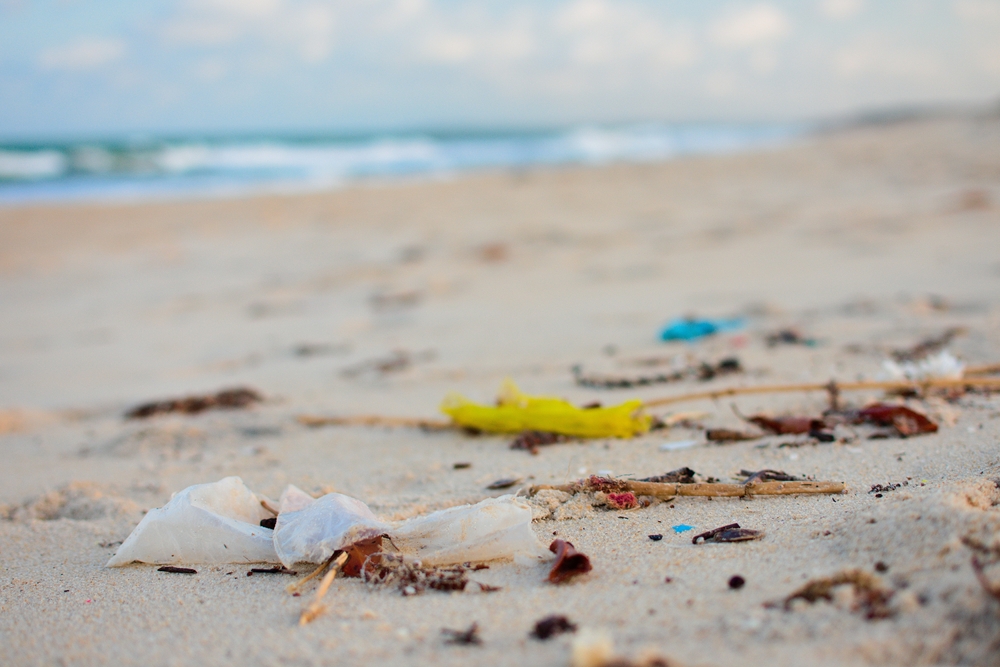
Waste production matters everywhere, but it’s a critical issue here in Hawaiʻi. With limited geographic space, landfills reach maximum capacity faster than waste can decompose or be burned. During disposal, collection, or transportation, waste can also escape and end up in our storm drains, eventually polluting our waterways and ocean. By tracking and reducing how much waste we produce, we can prevent further pollution.
Here are some mindful steps you can take to help reduce your waste:
- Sort your waste to separate trash (Grey bin) from recycling (Blue bin) and green waste (Green bin) or compost, and learn where your local recycling, green waste, and compost programs are. You can read more about how to sort your trash in our blog. Did you know that, starting this month, certain communities on Oʻahu can include food waste in their green waste cart?
- Choose products with less packaging
- Use reusable bags, bottles, and containers
- Purchase products in recyclable or compostable packaging
- Support local zero-waste and refill stores, and shop in bulk
- Set up a compost system
- Measure your progress using the calculator!
Sources: EPA – National Waste Statistics, City and County of Honolulu