
Plastic Free July and the Hidden Problem of Microplastics
Plastic pollution is a well-known, widespread environmental concern. To help combat plastic pollution, communities around the world participate in the annual Plastic Free July movement. Plastic Free July encourages individuals and communities to reduce plastic waste through simple, everyday choices to enjoy cleaner streets, communities, and oceans.
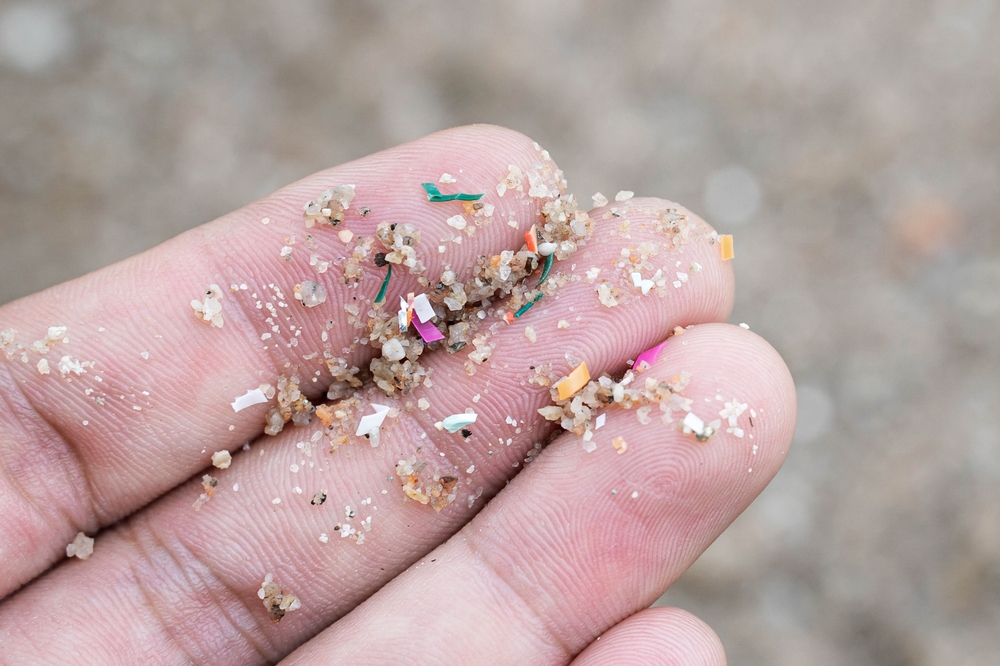
Large pieces of plastic are often the most visible parts of plastic pollution in our oceans and on our beaches. But there’s more than meets the eye when it comes to the plastic pollution that moves through our storm water, waterways, and oceans. Microplastics are very small particles of plastic, measuring less than five millimeters in size, and often a less visible form of plastic pollution. These particles originate from multiple sources, including directly from industrial activities, wear and tear of plastic materials such as car tires, and the breakdown of single-use plastic items. As plastics break down into microplastics, the microplastic particles accumulate in local waterways and sediments, where they disrupt ecosystems as they move through the environment.
Researchers at the University of Mānoa are studying microplastics and how they move through the environment. One such researcher, Hope Kanoa, began researching the concentration of microplastics in coastal environments around Oʻahu while an undergraduate student in the Environmental Earth Science program at the School of Ocean and Earth Science and Technology (SOEST). Now as a graduate student, Kanoa is expanding her research to further understand microplastic concentrations in coastal, riverine, and oceanic environments. She hopes to reach her goal of capturing a more complete picture of how microplastics move through Hawaiʻi’s water cycle.
To work toward this goal, Kanoa has been studying the abundance, distribution, and characteristics of microplastics on Oʻahu. Her research can help inform the public of how small changes in our plastic usage can make a big impact this Plastic Free July. Those small changes add up and, together, we can have a meaningful impact on our environment by preventing plastics and microplastics from finding their way into our roadways and into our storm water.
Here are some small changes you can make to help protect our water:
- Use reusable shopping bags and food containers
- Properly dispose of rubbish and recyclables
- Participate in community cleanup events, like Adopt-A-Highway
- Properly secure your loads during transportation
- Shop at stores that offer goods in bulk bins, such as zero-waste and low-waste stores
This Plastic Free July is a reminder that protecting our waters starts with simple, everyday choices. By reducing plastic waste and preventing litter from entering the storm drain system, we can all help to protect Hawaiʻi’s storm water, streams, beaches, and ocean.
Resources