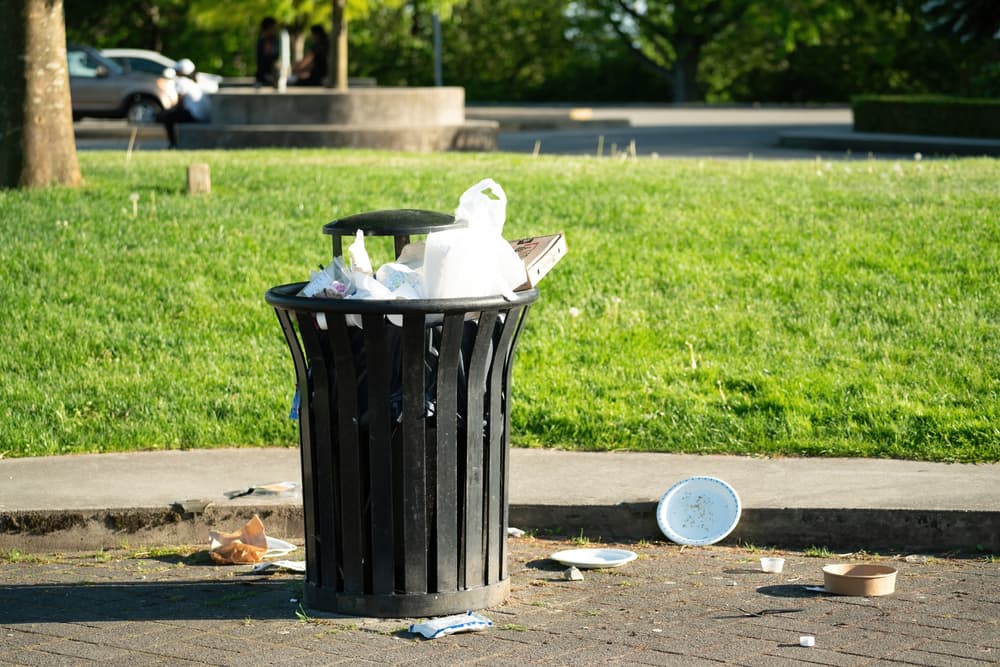
As overconsumption and waste production continue to increase around the world, researchers are developing new ways to turn trash into treasure. Recycling helps to reduce the amount of waste sent to landfills, lowers pollution, cuts greenhouse gas emissions, and decreases the need for new raw materials. Some of these recycled materials are even being used to improve storm water management and treatment. See some cool examples below!
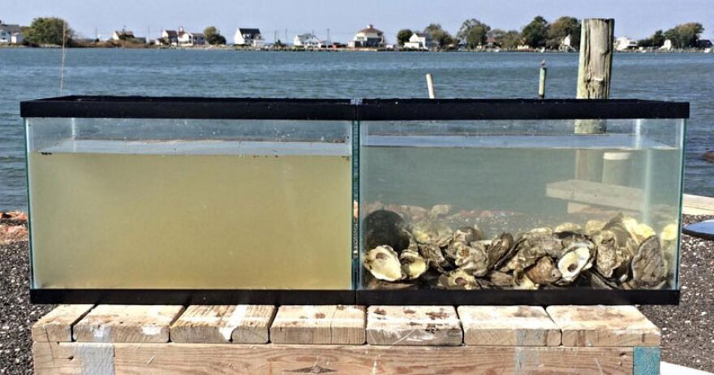
Oysters play an important role both in marine and land-based ecosystems. A single live oyster can filter up to 50 gallons of water each day. Projects such as the, conducted by the University of Hawaiʻi Hilo, are working to introduce more native oysters into locations like Kāneʻohe Bay and Pearl Harbor for restoration.
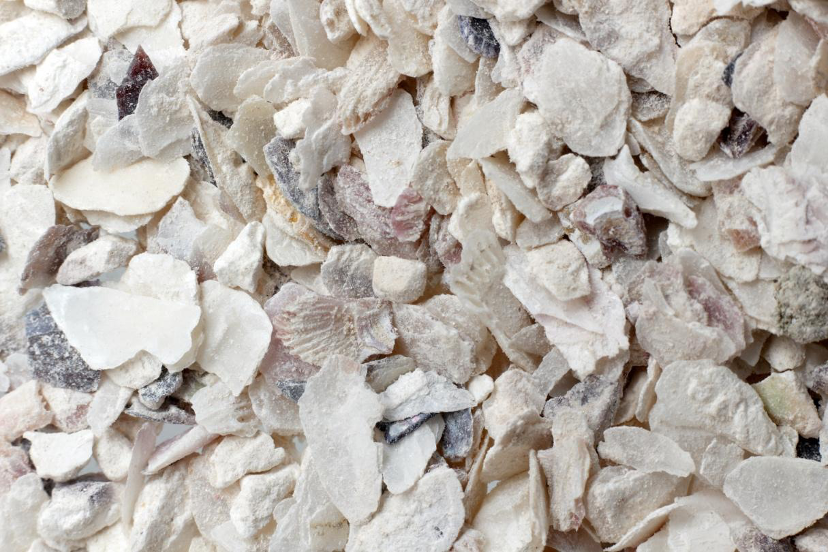
Their shells can also be crushed and used as a filtration medium for storm water pollution prevention. When placed in catch basins, crushed shells help to reduce turbidity and metals in storm water, supporting cleaner runoff that meets strict storm water quality benchmarks.
Green Waste
Biomass sources like wood chips, plant residues, manure, and other agricultural byproducts can be turned into black carbon through a process called pyrolysis. The result, known as biochar, can be used within storm water filters to remove metals and other pollutants. As an added benefit, pyrolysis sequesters, or captures, carbon that would otherwise be released into the atmosphere through burning or decomposition, mitigating climate change. Certain types of biochar can also improve soil health by increasing water retention, preventing nutrient loss, and supporting beneficial microorganisms. Biochar can even be made from invasive species, such as eucalyptus or albizia trees here in Hawaiʻi, to support and restore native habitats.
Plastic
Old plastic can be recycled into trash capture devices. Since plastic is lightweight, waterproof, and long-lasting, it works well for drain inlet filters and end-of-pipe netting that capture large trash and debris, and prevent it from reaching waterways. Recycled plastics can also be used to make silt socks and silt fencing for use on construction sites to trap sediment while allowing rainwater to flow through.
Textiles
Every year, about 92 million tons of textile waste are produced globally. To reduce this impact, innovators are finding ways to break down discarded clothes, furniture, and bedding into base fibers. These fibers are heated and pressed into new absorbent media that can be used in filters to help treat storm water.
Sources: EPA, IECA, Port of Seattle, Seashell Supply, USDA, US Biochar Initiative, USU Extension, US Cargo Control, Hawaiʻi Public Radio (HPR), Waterkeeper Alliance